DEALER  /  MEYER SOUND  /  BASSBOSS  /  HSD  /  LIGHTING  /  AVANTE  /  MOBO  /  GLOBAL TRUSS
Call 210.489.0492
Business Guide

Outdoor Movie Night Business: Equipment, Permits, Pricing

Outdoor movie nights are the most reliable recurring demand in the mobile screen business: parks departments, schools, churches, apartment complexes and neighborhood associations book them on a calendar, every year, in the same weeks. The equipment question is largely settled in favor of LED. The licensing question is the one that gets operators in trouble.

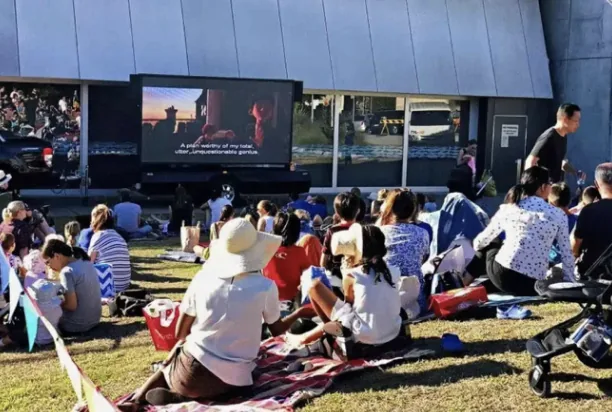
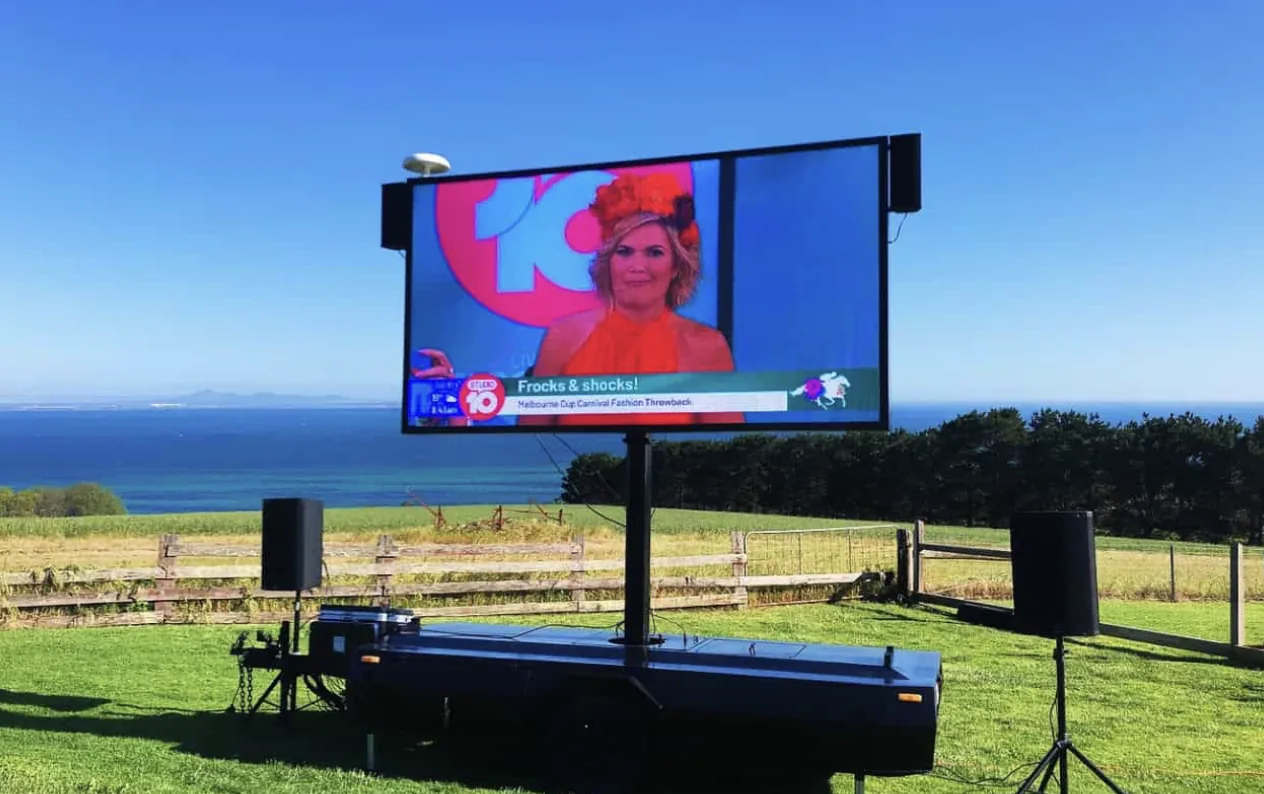
MOBO mobile LED screen trailer showing a film at an outdoor movie night

Start here, not with the equipment

Public performance licensing is not optional

This is the section most guides bury and it belongs first, because it is the only part of this business that can generate a legal claim against you.

Showing a film to an audience outside your own home and immediate circle is a public performance. Public performance rights are separate from the right to own a copy or hold a streaming subscription, and they are licensed by the rights holder or its agent. This is true whether or not you charge admission, and free community screenings are squarely within it. In the United States the principal non-theatrical licensors are Swank Motion Pictures and Criterion Pictures USA, which license specific titles for specific events, and the Motion Picture Licensing Corporation, which offers umbrella licences covering certain catalogues for certain uses.

The three things operators get wrong

First, assuming a purchased disc or a Netflix subscription is enough. It is not, and the licence terms on both say so explicitly. Second, assuming a free screening needs no licence. Admission has no bearing on whether a performance is public. Third, assuming the client handled it. Put licensing responsibility in writing in every contract, name which party obtains it, and keep a copy of the licence for the event file.

Practically, this shapes your business in two useful ways. Licence cost and availability vary by title, so the blockbuster your client wants may not be the film you can deliver on their date, and you should set that expectation in the first conversation. And because licensing is a fixed per-event cost independent of your screen, it is the line item you pass through rather than absorb.

General information, not legal advice. Licensing requirements depend on the title, the venue, the audience and whether admission is charged. Confirm your obligations with the relevant licensor or your attorney before every event.
The equipment question

Why LED replaced projection for this work

Inflatable screens and projectors built this market and still serve the budget end of it. The reason operators move to LED is not image quality in ideal conditions, it is that outdoor events rarely happen in ideal conditions.

A comparison of the two approaches on the factors that decide outdoor movie events. Projection remains a legitimate lower-cost option for full-darkness screenings in sheltered venues.
FactorProjection on inflatable screenMobile LED screen
Start timeNeeds full darkness; washes out at duskLegible in direct sunlight; a 7 p.m. summer start works
WindInflatable screens are wind-limited and can require cancellationOutrigger legs stabilize the trailer in winds to 45 mph deployed
SetupInflate, anchor, position projector at throw distance, run cablingOne person, no tools, about 10 to 15 minutes hydraulically
FootprintScreen plus projector throw distance plus audienceScreen at the trailer; no throw distance to protect
Off-season useMovie nights, largelyAdvertising, sports, festivals, church, municipal messaging
Capital costLow thousandsFrom $30,000; financeable from $5,000

That last row is the honest trade. Projection is an order of magnitude cheaper to buy, and if your entire business is a dozen full-darkness screenings a year, it is the rational choice. LED earns the capital when the calendar fills, when dusk starts are the norm, and when the same asset sells advertising on the Mondays between movie nights. That second point is the one that matters most: the operators who justify an LED trailer almost never justify it on movie nights alone.

On the night

What a movie night actually requires.

The screen is the easy part. These are the things that decide whether the client books you again next season.

01

Audio that covers the lawn

Film audio is dialogue-led and unforgiving. Onboard speakers and amplification come on the Deluxe models; large lawns need a distributed system. This is where a pro audio dealer is worth having on the other end of the phone.

02

Quiet power

Generator noise competes with dialogue directly. Spec the super-silent option if you are not confident of shore power, and position the unit downwind and away from the seating.

03

A level pad and clearance

Deployment needs level ground, outrigger clearance and room to rotate the screen a full 360 degrees. Walk every new venue in daylight before the event, not at 6 p.m. on the night.

04

A rain plan in the contract

Decide in writing who calls the event, by when, and what happens to the fee. The screen handles weather better than the audience does, and the argument you do not want is the one after the client's guests went home.

05

Pre-show content

Sponsor loops, community announcements and a countdown before the feature. This is free revenue if you sell it and free goodwill if you give it to the client, and it is the single easiest upsell in the business.

06

Certificates of insurance

Parks departments, school districts and HOAs will ask, often with specific limits and additional-insured language. Have the packet ready to send within the hour; institutional bookers work on deadlines.

Setup runs about 10 minutes on the MB-5 family, about 15 on the MB-10 and MB-15. On a double-header evening at two venues, that difference is the whole business model.

Movie night models

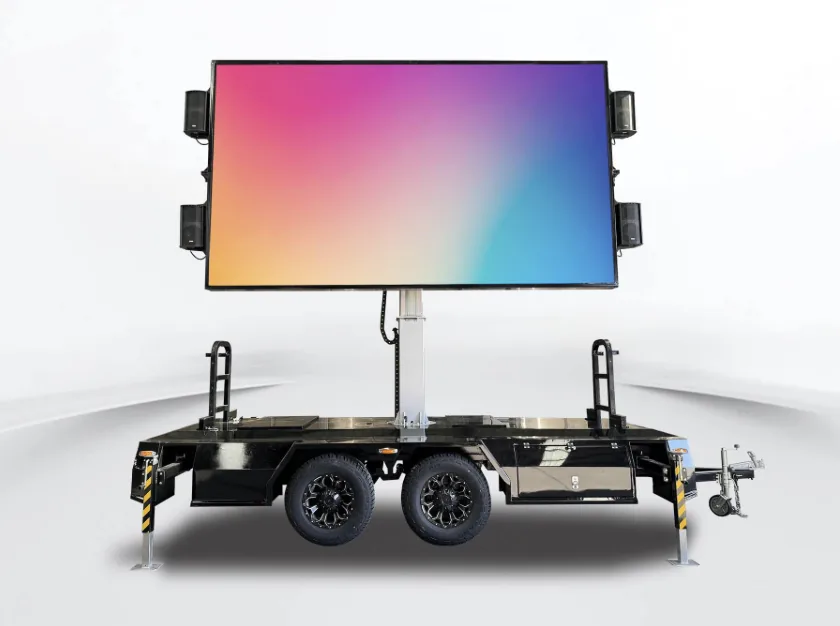
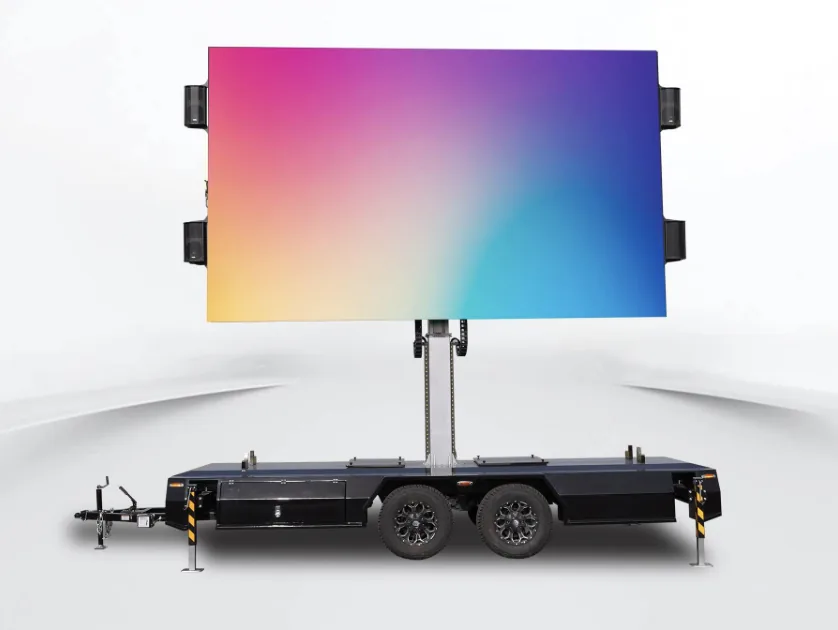
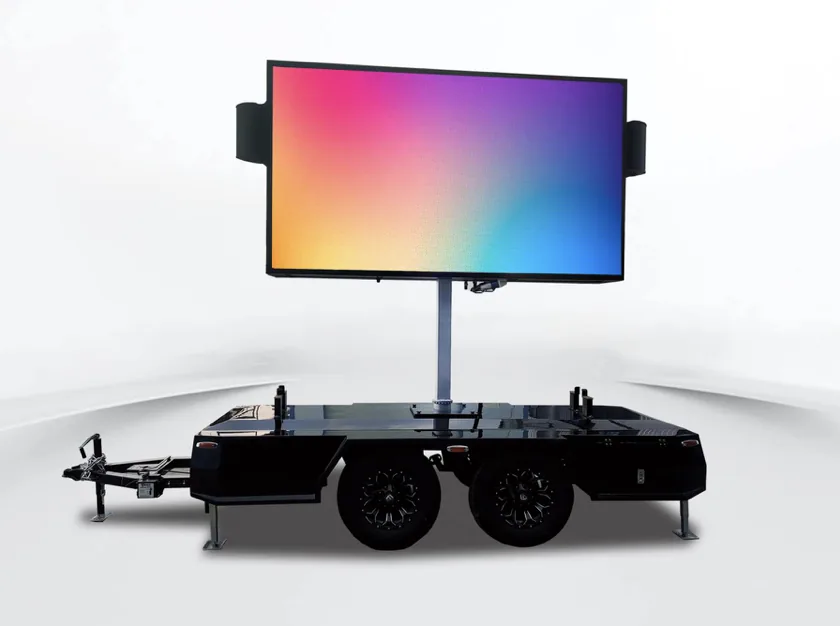
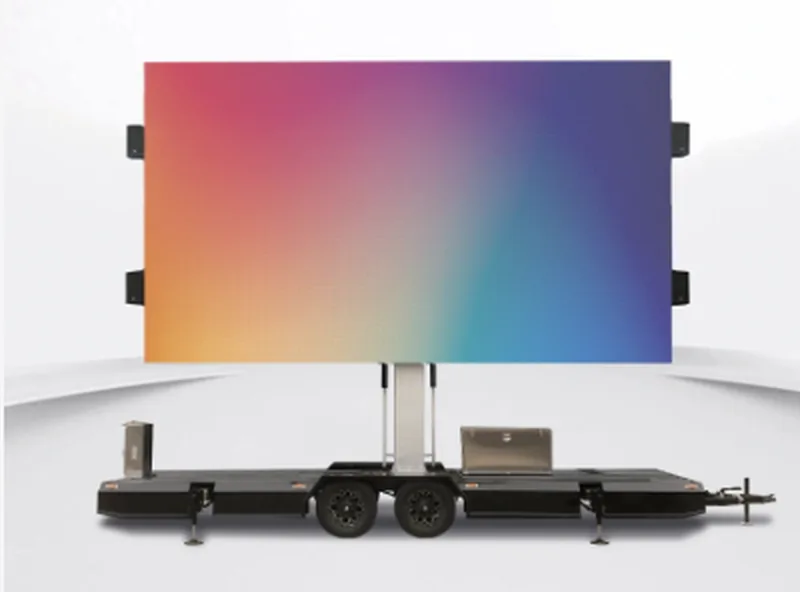
Screens sized for movie nights.

Most community screenings land between 75 and 170 square feet of screen. Our sizing guide matches crowd size and back-row distance to a model.

Frequently asked

Outdoor movie business questions.

If your question is not here, call or use the quote form and we will answer it straight.

Do I need a license to show a movie outdoors?

Almost always yes. Showing a film outside your home to an audience beyond family and close friends is a public performance, and that requires a public performance licence from the rights holder or its licensing agent, separately from owning or streaming the film. In the United States the major non-theatrical licensors include Swank Motion Pictures, Criterion Pictures USA, and the Motion Picture Licensing Corporation for certain umbrella licences. This applies to free community screenings as well as ticketed ones. Buying a Blu-ray or holding a streaming subscription does not grant these rights. Confirm your specific situation with the licensor; this is general information, not legal advice.

Is an LED screen better than a projector for outdoor movies?

For anything that starts before full darkness, yes, decisively. A projector needs darkness and washes out at dusk, which is exactly when most community events begin and when families with small children actually attend. Full-brightness outdoor LED is legible in direct sunlight, so a 7 p.m. July start works. LED also removes the inflatable screen's wind vulnerability and the projector-throw distance that eats usable space at tight venues.

What size screen do I need for an outdoor movie night?

For a typical community crowd of 200 to 500, 75 to 108 square feet of screen serves well, which is the MB-7 Lite at 11.48 by 6.56 feet or the MB-10 at 13.12 by 8.2 feet. Larger park events with 500 to 2,000 people are better served by the MB-15 at 17 by 10 feet. Measure the distance to where your back row sits, not just the headcount, because that is what determines legibility. Our sizing guide has the full chart.

How do outdoor movie operators price events?

Common structures are a flat event rate for a single screening, a season package for parks departments and HOAs that book multiple dates, and an add-on structure where audio, concessions, seating or a second screening carry separate line items. Licensing is usually billed through to the client or handled by the client directly, and it should be explicitly addressed in your contract either way. What you can charge depends on your market; build your rate card from local research.

Can I run an outdoor movie night off a generator?

Yes. Every MOBO model can be ordered with a super-silent onboard inverter or diesel generator, which matters at a movie night more than at almost any other event because generator noise competes directly with the film audio. If your venues reliably supply shore power, a single 120V 30A twist-lock runs the small trailers and 50A serves the mid-size models, and you can skip the generator package.

Who books outdoor movie nights?

Parks and recreation departments, school districts and PTAs, churches, apartment complexes and HOAs, downtown associations and business improvement districts, corporate family days, and private clients for birthdays and weddings. The institutional bookers are the valuable ones because they book on an annual calendar and renew, and several of them can lease equipment through the municipal lease programme rather than renting from you, which is worth knowing before you pitch.

Build the calendar

Spec the screen for your movie season.

Tell us the typical crowd, the venues you work, and whether you are starting in dusk or full daylight. We will size the screen, quote it, and cover the financing if you want the trailer working before the first payment.

info@fullblastsound.com  ·  San Antonio, TX

Important notice

The information on this page is provided for general educational and informational purposes only. It is not legal, tax, accounting, financial, insurance or other professional advice, and it is not an offer of credit or a solicitation. Fullblast Sound & Lights is an equipment dealer; we are not attorneys, accountants, tax advisors or lenders, and nothing here creates a professional or advisory relationship.

Laws, tax figures, regulations, local ordinances, licensing requirements, lender terms and third-party prices change and vary by jurisdiction and by individual circumstances. You should independently verify anything on this page and consult your own attorney, accountant, tax advisor, insurance agent and lender before acting on it. Figures attributed to our financing partner are theirs, and approval is never guaranteed. Prices and specifications are subject to change and are not an offer.

Nothing on this page is a projection, forecast, guarantee or representation of revenue, income, profit, savings or return. Results from operating equipment depend on factors outside our knowledge or control and vary widely. Fullblast Sound & Lights accepts no liability for decisions made in reliance on this page.

Newsletter

Deals, drops, and B-stock.

Pro audio specials, new gear launches, dealer-only pricing alerts, and Synchrony financing promos from Fullblast Sound. Sent only when there is something real.

Free to subscribe. Unsubscribe any time. No spam.

Call 210.489.0492
FBS Newsletter B-stock alerts, dealer specials, new product drops, financing offers. No spam.